
In a significant move to propel the electronics manufacturing sector in India, the government has recently given the nod to 17 new projects under the electronics component Production-Linked Incentive (PLI) scheme. These projects, amounting to a whopping Rs 7,172 crore investment, mark a substantial stride towards bolstering domestic production capabilities and promoting self-reliance in the electronics industry.
Introduction to the PLI Scheme
The PLI scheme, a flagship initiative of the government, aims to incentivize large-scale electronics manufacturing by offering financial incentives to manufacturers. The scheme focuses on boosting the production of crucial electronic components and creating a robust manufacturing ecosystem in the country.
Key Details of the Approved Projects
The recent approvals cover a diverse range of projects, including the establishment of the first-ever optical transceiver manufacturing unit in India. Additionally, the sanctioned projects encompass the manufacturing of PCBs up to 40 layers, quartz crystals, and other essential electronic components, highlighting the government’s commitment to enhancing the country’s manufacturing capabilities in the electronics domain.
Significance of Optical Transceiver and PCB Manufacturing
The approval for the optical transceiver manufacturing facility holds immense significance as it signifies India’s foray into a crucial segment of the electronics industry. Optical transceivers play a pivotal role in the functioning of modern communication networks, and domestic production of these components is expected to reduce import dependence while fostering technological innovation.
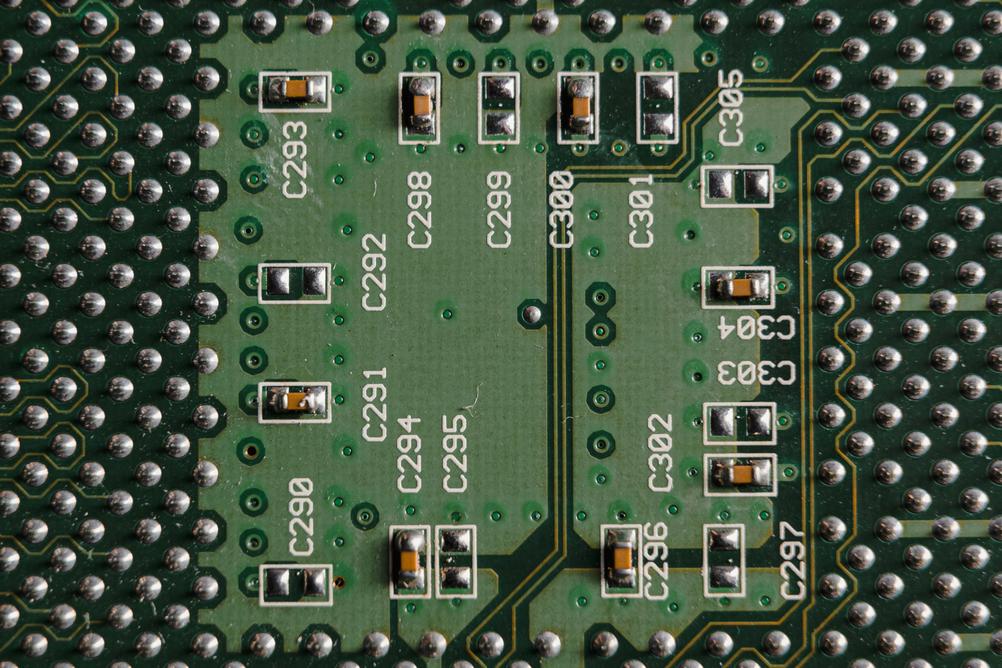
Likewise, the approval for the production of PCBs up to 40 layers is a testament to India’s growing expertise in high-end electronics manufacturing. PCBs are the backbone of electronic devices, and the ability to manufacture complex multi-layer boards domestically will strengthen the country’s position in the global electronics market.
Implications for the Electronics Industry
The approval of these projects is set to have far-reaching implications for the electronics industry in India. By enabling the indigenous production of critical electronic components, the government is not only spurring investment and job creation but also paving the way for a more self-reliant and technologically advanced ecosystem.
Conclusion
With the greenlighting of 17 projects under the electronics component PLI scheme, the government has underscored its commitment to fostering a conducive environment for electronics manufacturing in India. The infusion of capital into these projects heralds a new era of growth and innovation in the sector, positioning India as a key player in the global electronics landscape.
Leave a Reply