
Introduction
India, a country known for its diverse culture and heritage, is now on the cusp of a technological revolution that will reshape the global semiconductor industry. The recent announcement by India’s Technology Minister, Ashwini Vaishnaw, about the country achieving chipmaking parity with major producers by 2032 has sent shockwaves through the tech world.
Table of Contents
- India’s Entry into Chipmaking
- Impact on Global Tech Industry
- Challenges and Opportunities
- Government Initiatives and Support
- Future Outlook
India’s Entry into Chipmaking
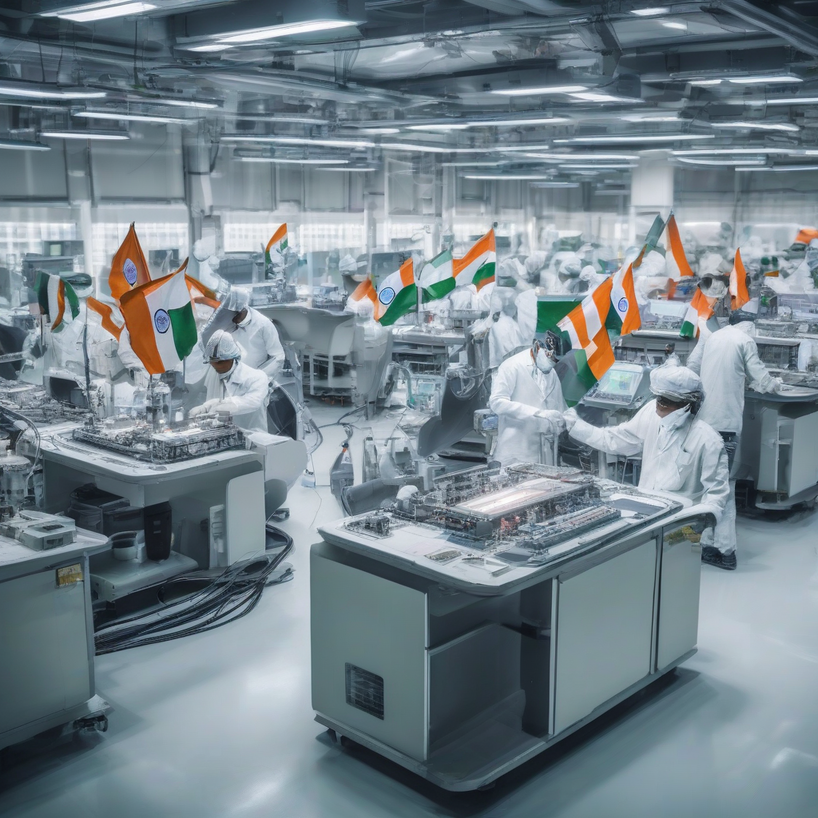
According to Vaishnaw, three chip facilities in India are set to commence commercial production in the early months of the coming year. This significant development marks India’s official entry into the elite club of chipmakers, currently dominated by countries like the US, China, and Taiwan. The establishment of these facilities underscores India’s commitment to self-reliance in critical technologies.
Impact on Global Tech Industry
The news of India’s foray into chip manufacturing has the potential to disrupt the global tech landscape. With the country’s vast pool of skilled engineers and a burgeoning startup ecosystem, India is poised to become a key player in the semiconductor supply chain. This move is expected to reduce dependency on imports and bolster India’s position as a tech powerhouse.
Challenges and Opportunities
Despite the promising outlook, India faces several challenges on the road to chipmaking parity. These include the need for significant investments in R&D, infrastructure, and talent development. However, these challenges also present unique opportunities for collaboration between the government, industry, and academia to foster innovation and growth.
Government Initiatives and Support
The Indian government has been proactive in providing support and incentives to nurture the semiconductor industry. Initiatives like the Production Linked Incentive (PLI) scheme aim to boost domestic manufacturing and attract foreign investments. Additionally, partnerships with global tech giants for technology transfer and knowledge sharing are paving the way for India’s technological advancement.
Future Outlook
Looking ahead, India’s ambitions in chipmaking are poised to redefine the country’s role in the global tech ecosystem. By 2032, India aims to achieve self-sufficiency in semiconductor production, reducing its reliance on imports and driving innovation in cutting-edge technologies. The world is witnessing the emergence of a new player in the chipmaking arena, and the implications are profound.
Conclusion
As India gears up to make its mark in chip manufacturing, the possibilities are limitless. With a strategic roadmap, a skilled workforce, and unwavering government support, India is on track to revolutionize the semiconductor industry. The journey may be challenging, but the destination promises to be transformative for India and the world alike.
Leave a Reply